
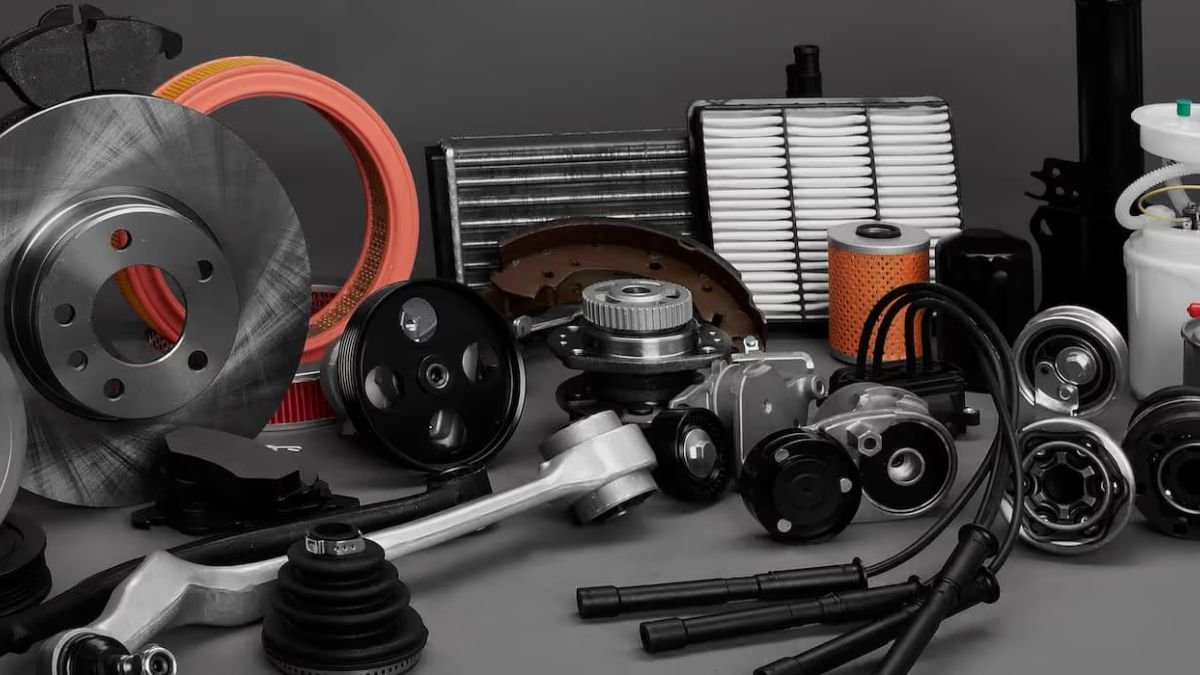
A significant portion of any car’s longevity and performance depends on its parts. Especially for a reliable vehicle like a Nissan, choosing the right parts is crucial. Car owners often find themselves confused between OEM (Original Equipment Manufacturer) parts and aftermarket parts.
OEM parts are the specific components that the car manufacturer (Nissan) has designed and certified for use in their vehicles. In contrast, aftermarket parts are manufactured by third-party vendors and are often lower in price. However, a lower price tag does not always guarantee the same level of quality and performance.
The Quality of OEM Parts
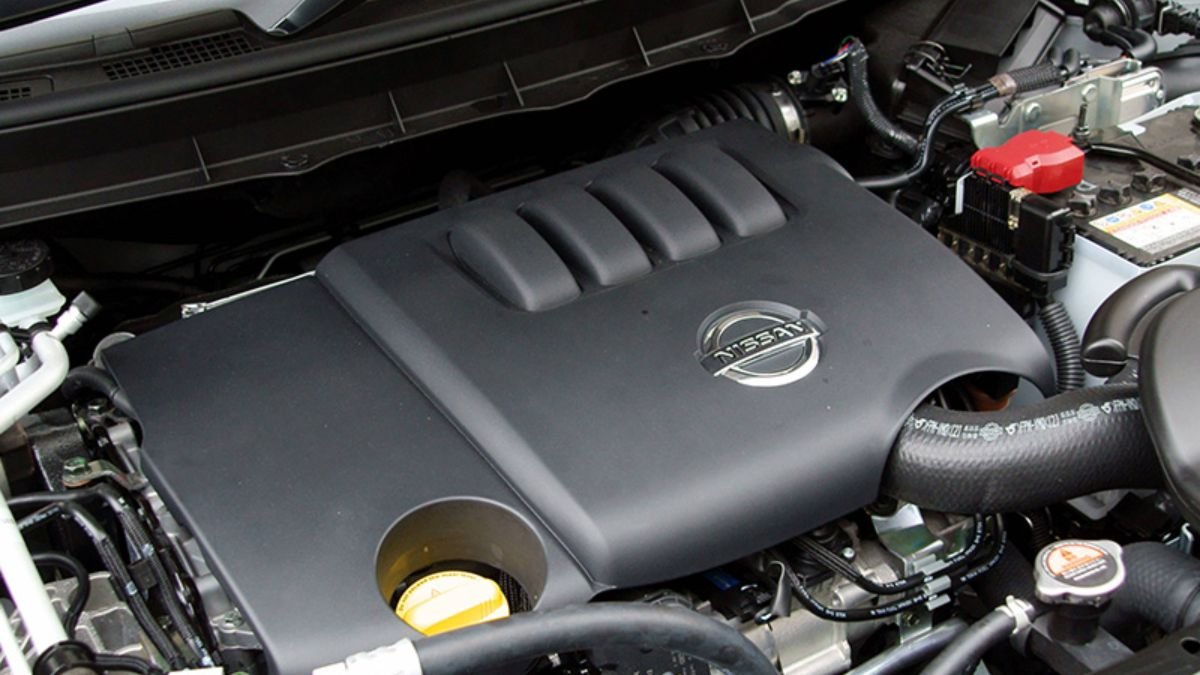
The primary advantage of OEM Nissan parts is their superior quality. These parts are designed to precisely match every specific car model and engine configuration, thereby ensuring a perfect fit and optimal functionality.
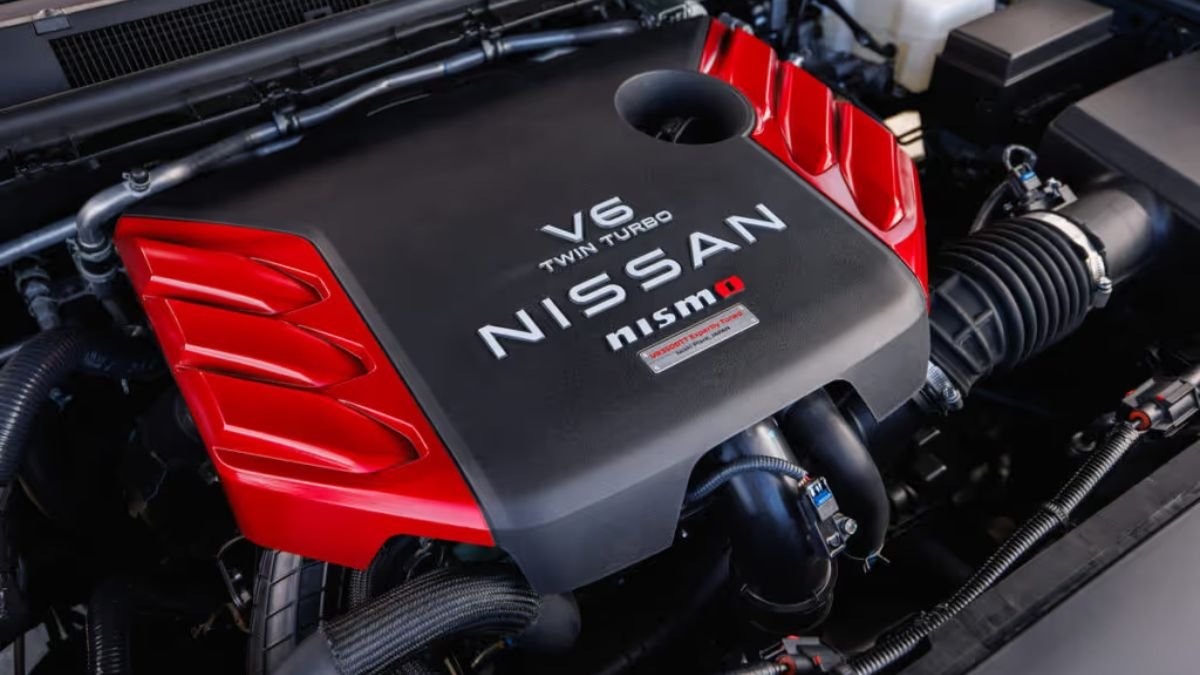
Using OEM parts guarantees that your car will deliver the exact level of performance intended by the manufacturer. For critical components such as the engine, brakes, suspension, and electrical systems, choosing OEM parts remains the safest and most reliable option.
Comparison with Aftermarket Parts
Aftermarket parts are typically less expensive than their OEM counterparts and are readily available in the market. However, their fit and performance are not always consistently reliable.
Some aftermarket parts may not integrate perfectly with the car’s existing systems, which can negatively impact the overall driving experience. Furthermore, a poor fit can place undue stress on the engine, brakes, or transmission system.
Reliability and Warranty
OEM parts come backed by the manufacturer’s warranty—a benefit often missing with aftermarket parts. This warranty provides car owners with an added layer of protection and offers the assurance of replacement or repair in the event of any defects.
Moreover, if you use aftermarket parts and subsequently encounter a mechanical issue, it could potentially void or compromise your car’s original manufacturer warranty. Using OEM parts consistently ensures that your warranty coverage remains intact.
Longevity and Durability
The design and materials used in OEM Nissan parts are engineered for long-term endurance. This means you will not need to replace parts frequently, ensuring lasting reliability for your vehicle. Compared to aftermarket parts, OEM parts are more durable and help maintain a car’s performance over the long term. This also leads to cost savings in the long run.
Impact on Driving Experience
The right OEM parts preserve a car’s handling, smoothness, and engine performance. Aftermarket parts can sometimes negatively affect the vehicle’s driving experience—manifesting as jerky gear shifts, delayed braking, or an uneven suspension feel.
Nissan cars are specifically designed to work with OEM parts; therefore, utilizing these genuine components is the only way to unlock the vehicle’s full potential.
Cost vs. Value
Although OEM parts may carry a slightly higher price tag than their aftermarket counterparts, this investment proves far more beneficial in the long run regarding the car’s safety and performance.
Frequently replacing inexpensive aftermarket parts can actually result in a higher total expenditure compared to using OEM parts. Therefore, it is always preferable to invest in the correct parts upfront and ensure proper maintenance.
Advice from Nissan Experts
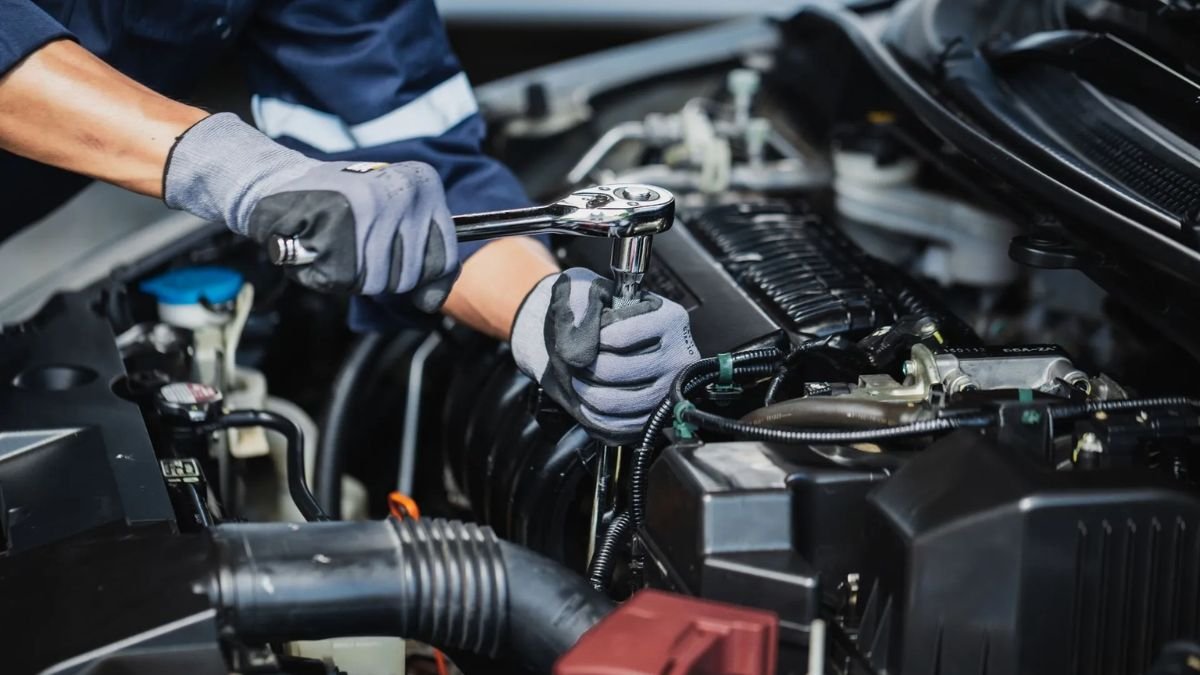
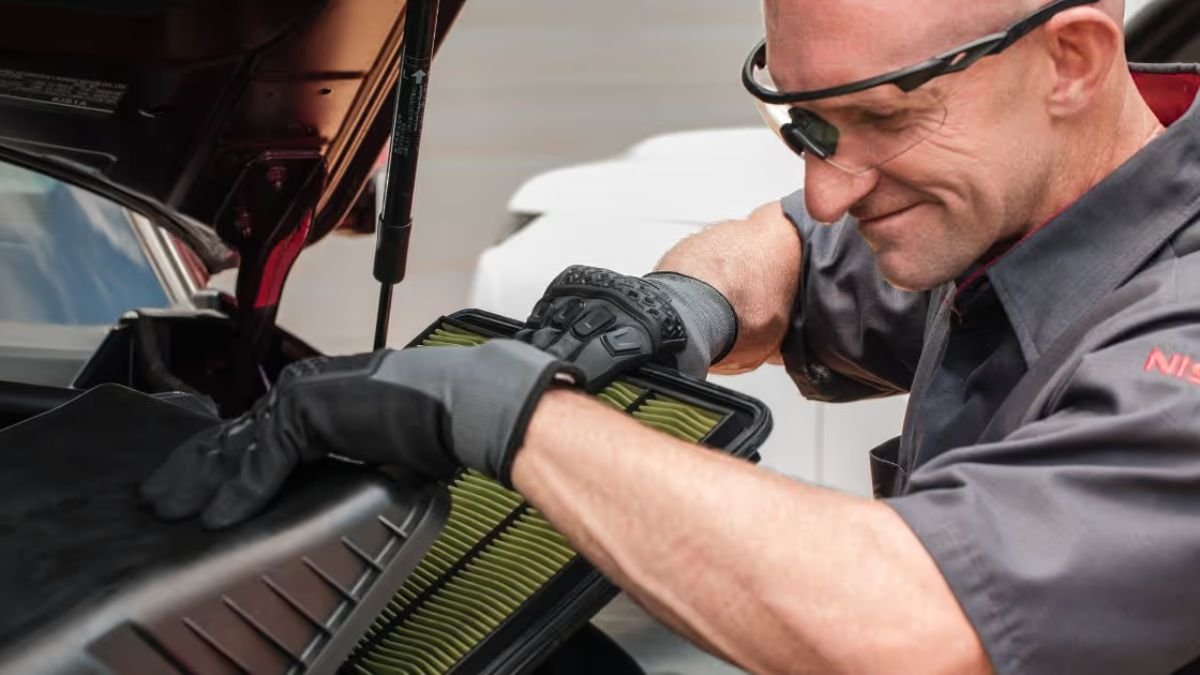
Authorized Nissan service centers consistently recommend the use of OEM parts. Trained technicians perform precise diagnostics and repairs on your vehicle, ensuring the car remains in excellent condition for years to come.
Their expertise indicates that OEM parts are not only safer but also help preserve the car’s resale value.
Conclusion: OEM is the Most Reliable Choice
For a Nissan vehicle, choosing OEM parts is always the safest, most durable, and most reliable option. These parts are specifically engineered for every car model and system, thereby guaranteeing optimal performance and safety.
When it comes to ensuring your vehicle’s longevity and a smooth driving experience, OEM parts remain the definitive choice. Opting for aftermarket parts solely to save money can prove to be both costly and risky in the long run.
Therefore, for the sake of your Nissan car’s safety, performance, and longevity, always insist on using OEM parts.









Leave a Reply