
Regular maintenance is absolutely essential for the longevity and optimal performance of any car; for a reliable vehicle like a Nissan, this becomes even more critical. A proper maintenance schedule not only keeps your car running like new for an extended period but also protects you from unexpected and costly repairs.
In today’s world, where cars have become an integral part of our daily lives, ensuring their proper care is the responsibility of every owner. Nissan has developed a clear and systematic maintenance schedule for its vehicles, adhering to which allows you to preserve your vehicle’s performance for the long haul.
What is the Nissan Maintenance Schedule?
The Nissan Maintenance Schedule serves as a guideline that outlines which specific components of your car require inspection or servicing, and when. It encompasses a range of essential tasks, such as changing the engine oil, checking the brakes, rotating the tires, and replacing air filters.
This schedule is typically determined based on either mileage or time intervals—for instance, performing specific services every 5,000 or 10,000 kilometers. Adhering to this schedule ensures that the car’s operational efficiency is maintained and significantly reduces the likelihood of mechanical breakdowns.
5,000–7,500 km: Basic Service
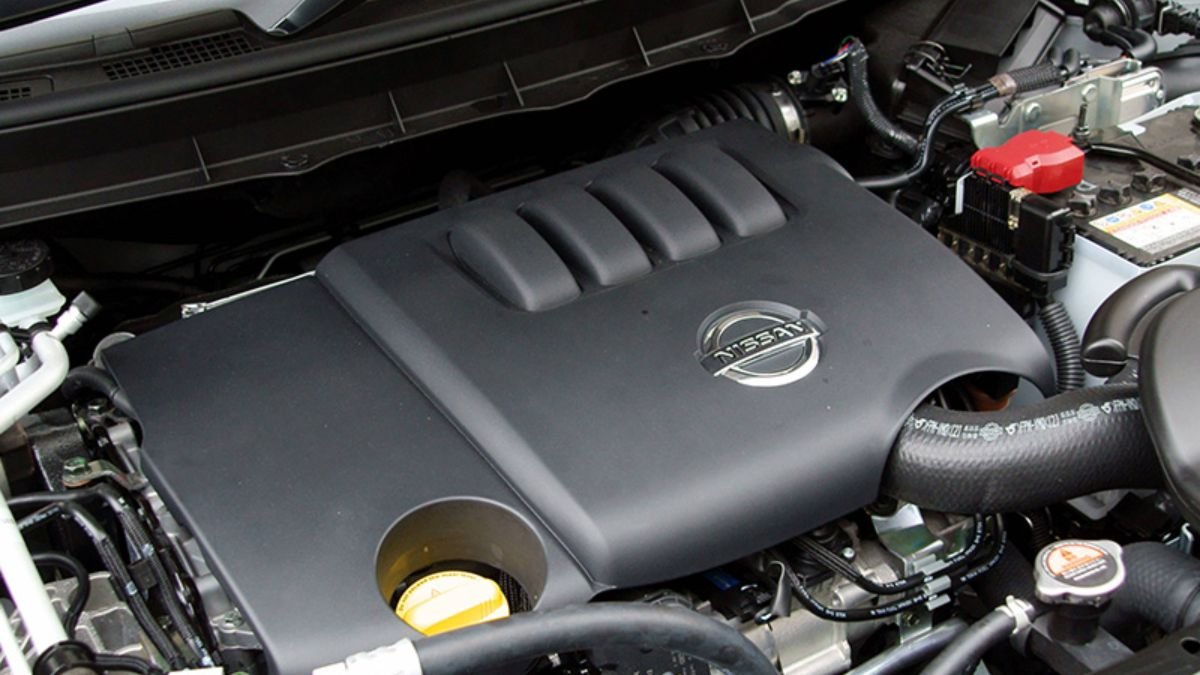
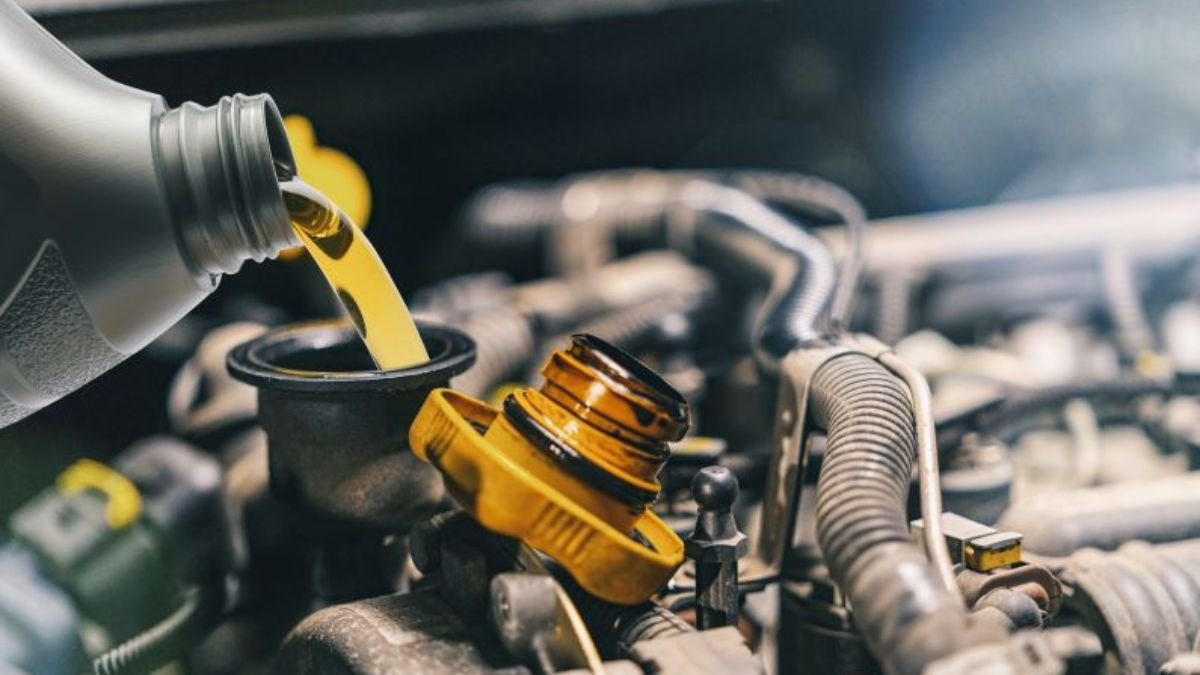
At this interval, certain basic services are required for your Nissan vehicle. The most critical of these tasks involves changing the engine oil and replacing the oil filter. Additionally, this service includes checking tire pressure, inspecting the braking system, and verifying all fluid levels.
This simple maintenance step plays a vital role in keeping the engine running smoothly and improving fuel efficiency.
10,000–15,000 km: Routine Inspection
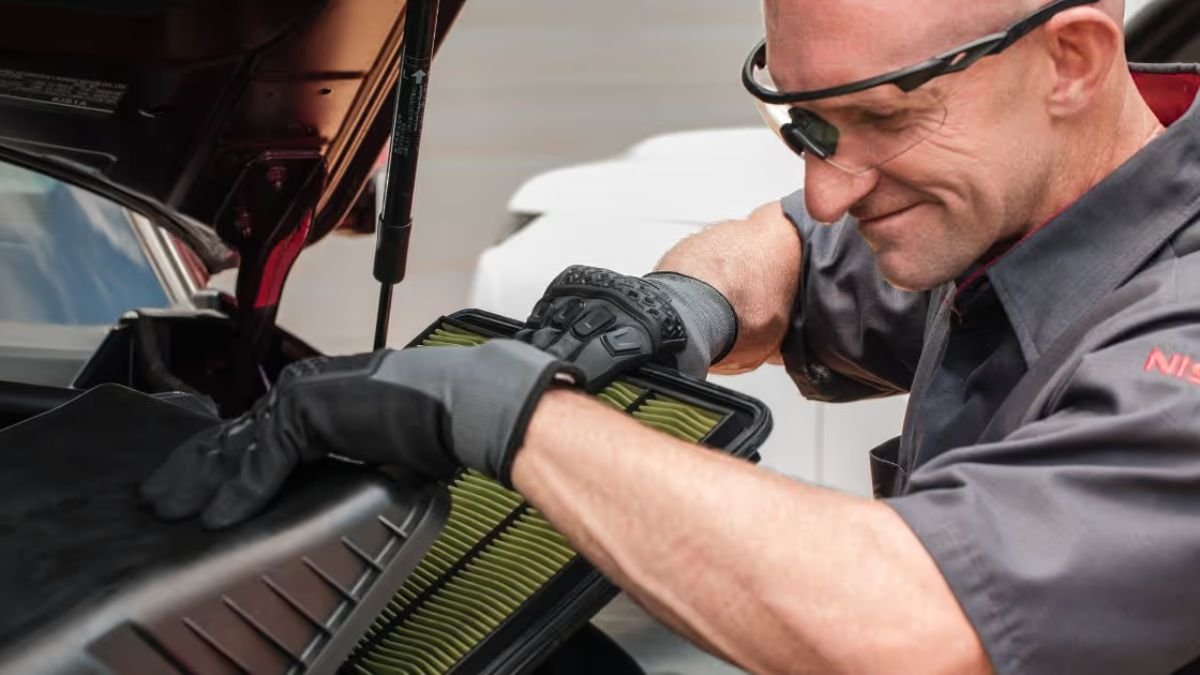
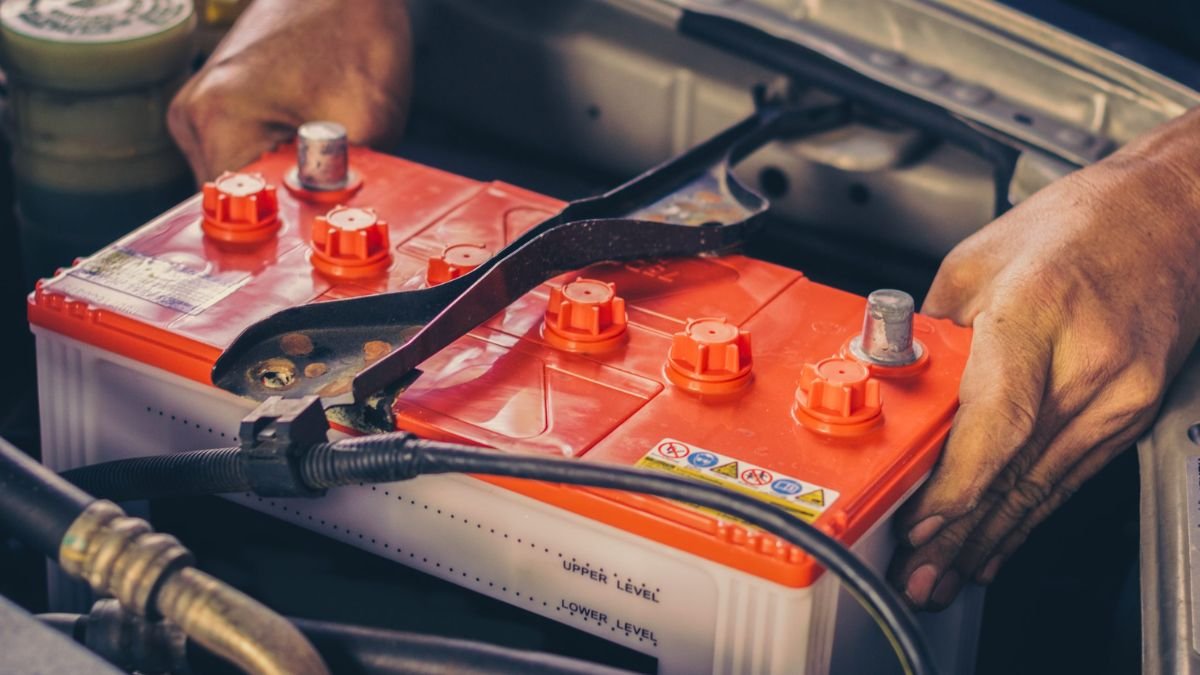
During this phase, a more in-depth inspection of various car components is conducted. The condition of the air filter, cabin filter, and battery is thoroughly checked.
Furthermore, tire rotation is a necessary procedure at this stage to ensure that all tires wear evenly, thereby extending their overall lifespan.
20,000–30,000 km: Mid-Level Maintenance
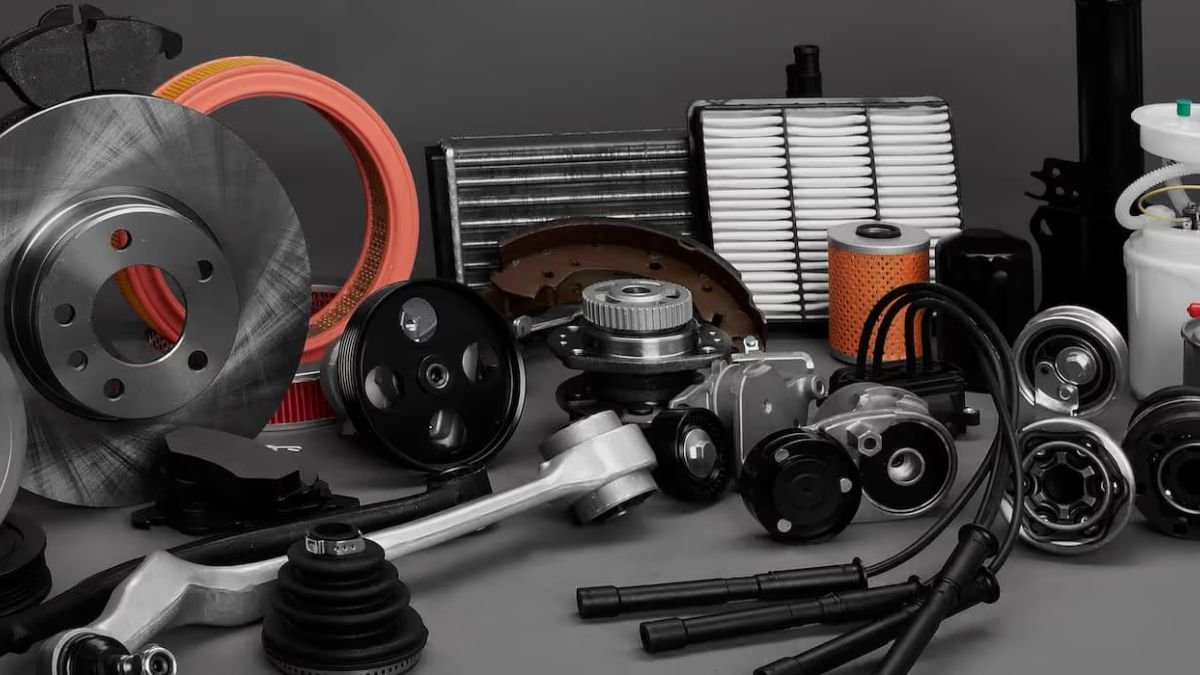
During this interval, the spark plugs, brake pads, and suspension system are inspected. If necessary, these components are also replaced.
This maintenance is crucial for the car’s driving quality and safety, as the brakes and suspension directly impact your driving experience.
40,000–60,000 km: Advanced Service
At this stage, it becomes necessary to replace the transmission fluid, coolant, and brake fluid. Additionally, a deep cleaning of the engine is performed, and other critical components are inspected.
This service helps your car deliver optimal performance over the long term and helps you avoid major expenses.
80,000 km and Beyond: Major Service
Once your car has covered more than 80,000 km, a Major Service is required. This involves the inspection or replacement of the timing belt, water pump, and other vital parts.
Neglecting this level of service can lead to significant problems in the future.
Benefits of Regular Maintenance
Adhering to the Nissan Maintenance Schedule offers numerous benefits. It extends the engine’s lifespan, improves fuel efficiency, and helps maintain the car’s resale value.
Furthermore, regular servicing reduces the likelihood of sudden breakdowns, ensuring that your journeys remain safe and stress-free.
Things to Keep in Mind During Maintenance
- Always use parts and oils recommended by the manufacturer.
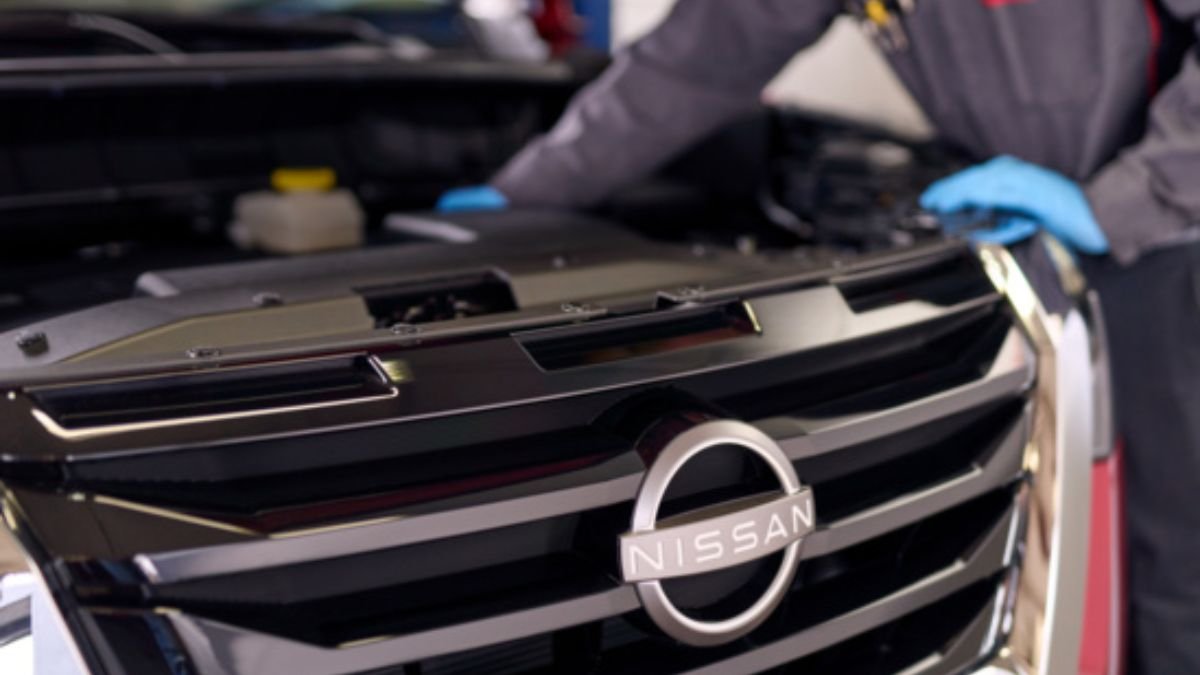
- Get your car serviced only at an authorized service center.
- Keep your service records safe and secure.
- Do not ignore any unusual noises or issues.
Paying attention to these points ensures that your Nissan car remains in excellent condition for a long time.
DIY vs. Professional Service
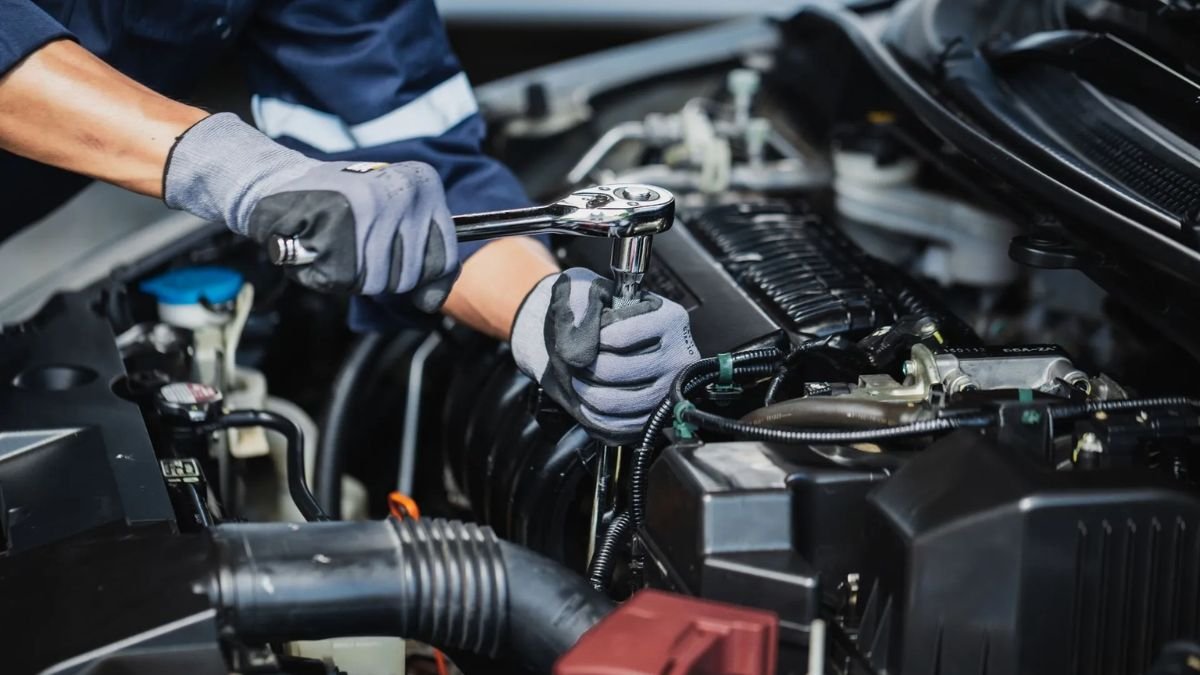
Some people prefer to handle minor maintenance tasks themselves—such as checking oil levels or monitoring tire pressure. However, for major servicing, it is always advisable to seek the assistance of a professional. At authorized Nissan service centers, trained technicians perform accurate inspections and repairs on your vehicle, ensuring you receive reliable results.
Conclusion: Proper Maintenance Ensures Longevity
Adhering to the Nissan Maintenance Schedule is absolutely essential for every car owner. Not only does it preserve your vehicle’s performance, but it also protects you from incurring major expenses in the future.
If you want your Nissan to remain in like-new condition for years to come, make regular servicing and proper maintenance a top priority. It is a small investment, but one that yields long-term benefits.









Leave a Reply