
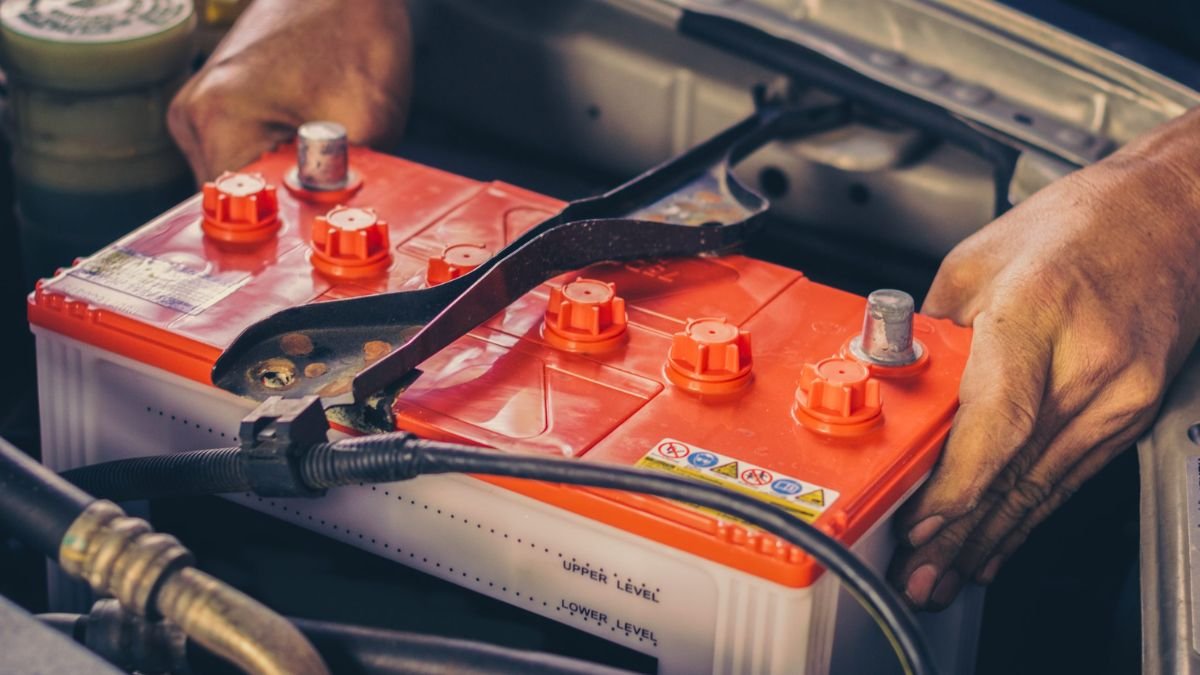
A Nissan car battery does more than just start the vehicle; it powers all of your car’s electrical systems. A weak or failing battery can make your journey inconvenient—and, at times, even dangerous.
If you want your Nissan’s battery to function correctly for an extended period, regular inspection and maintenance are essential. In this article, we will explain how you can extend the lifespan of your Nissan battery and avoid costly replacements.
Conduct Regular Battery Checks
The first step is to regularly inspect your Nissan battery. The accumulation of corrosion or dirt on the battery terminals can disrupt the power supply Keep the terminals clean, and if you notice any cracks or leaks in the battery casing, repair or replace it immediately. This is the most critical step in maintaining the battery’s capacity.
Check the Charging System
To extend the battery’s lifespan, ensure that your car’s charging system is functioning correctly.It is essential to periodically inspect the alternator and voltage regulator. If these systems are not working properly, the battery will not charge fully and will deteriorate quickly.
Minimize Electrical Load
The more electrical devices you use in the car, the greater the strain on the battery Use headlights, air conditioning, and the infotainment system only when necessary. Leaving non-essential accessories running for extended periods can cause the battery to discharge rapidly.
Disconnect the Battery During Long Periods of Inactivity
If you do not plan to use your Nissan for an extended period, it is advisable to disconnect the battery This prevents the battery from slowly discharging and helps preserve its overall lifespan.
Protect Against Extreme Heat and Cold
Your Nissan battery should be protected from extreme heat and cold. In hot weather, avoid leaving your car parked in direct sunlight for prolonged periods In winter, if the battery is weak, starting the engine may become difficult. It is best to store the battery in a safe, climate-controlled environment.
Regular Charging and Top-ups
If your Nissan’s battery frequently discharges, regular charging is essential In some cases, cycle charging can help extend the battery’s capacity and lifespan. Additionally, periodically topping up the battery’s acid and water levels is beneficial.
Choose the Right Battery Type
Always use an OEM (Original Equipment Manufacturer) or authorized battery for your Nissan. Aftermarket batteries may not offer the same level of reliability in terms of quality and capacity as OEM batteries. Selecting the correct battery is crucial for ensuring long-term performance and minimizing issues.
Signs Indicating an Immediate Need for Service
There are certain signs that indicate your Nissan requires servicing:
- Unusual noises or jerking from the engine
- Delayed braking response or strange noises from the brakes
- Frequent battery discharge
- Uneven tire wear
- Issues with gear shifting
Do not ignore these signs. Getting immediate service can prevent major damage and costly repairs.
Protect the Battery from Short Circuits
Always keep the battery terminals covered and prevent any metal tools or objects from coming into contact with them A short circuit can instantly ruin the battery and may also cause damage to the car’s electrical system.
Timely Replacement
The final and most critical step is replacing the battery in a timely manner. The average lifespan of a Nissan battery is approximately 3 to 5 years If your battery is consistently weakening or requires frequent recharging, do not delay—replace it promptly.
Conclusion: The Secret to a Long-Lasting Nissan Battery
Caring for a Nissan battery involves more than just charging and maintaining the terminals. Regular inspections, proper charging practices, managing electrical loads, protecting against extreme weather conditions, and timely replacement can significantly extend your battery’s lifespan.
By following these tips, you can keep your Nissan’s battery safe and reliable for years to come. Remember, proper battery maintenance not only enhances your car’s performance but also improves your safety and overall driving experience.





Leave a Reply