

Regular tune-ups are absolutely essential to maintain the performance and longevity of vehicles like Nissan cars. A tune-up involves not just an inspection of the engine, but also the examination and maintenance of several critical systems within your vehicle.
Whether for short trips, daily commuting, or long-distance journeys, if your Nissan does not undergo a tune-up on schedule, it can negatively impact engine performance, fuel efficiency, and safety. In this guide, we will explain in detail what a Nissan tune-up entails and why it is a maintenance step you should never skip.
Changing Engine Oil and Filters
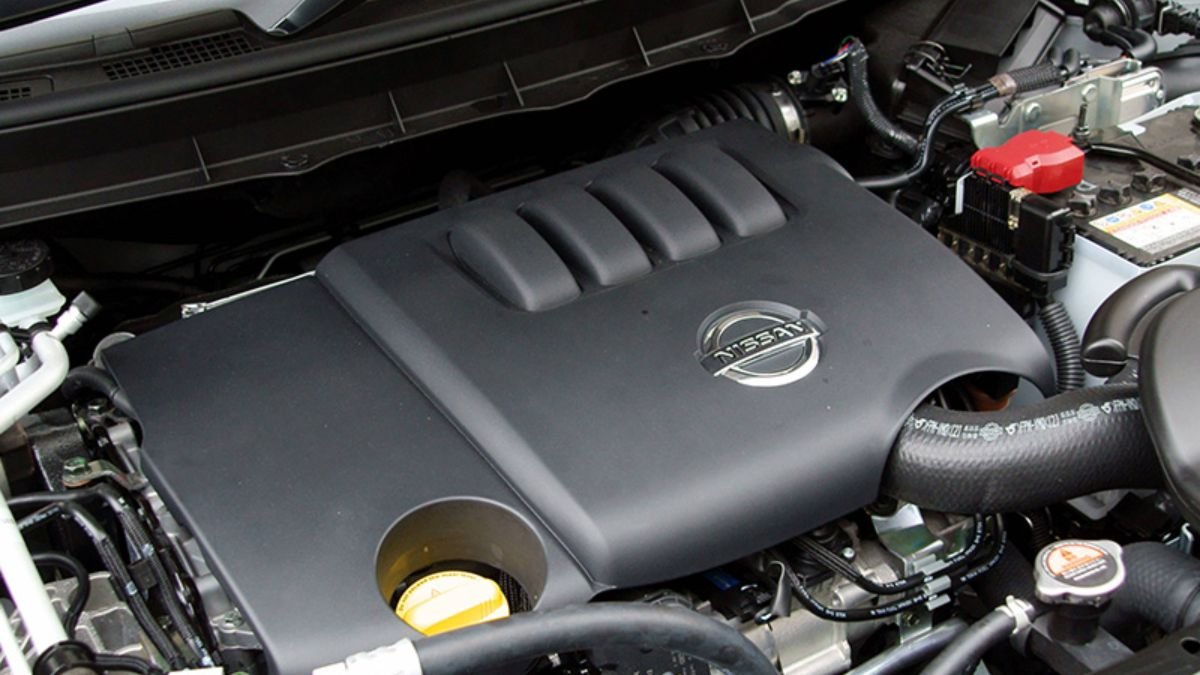
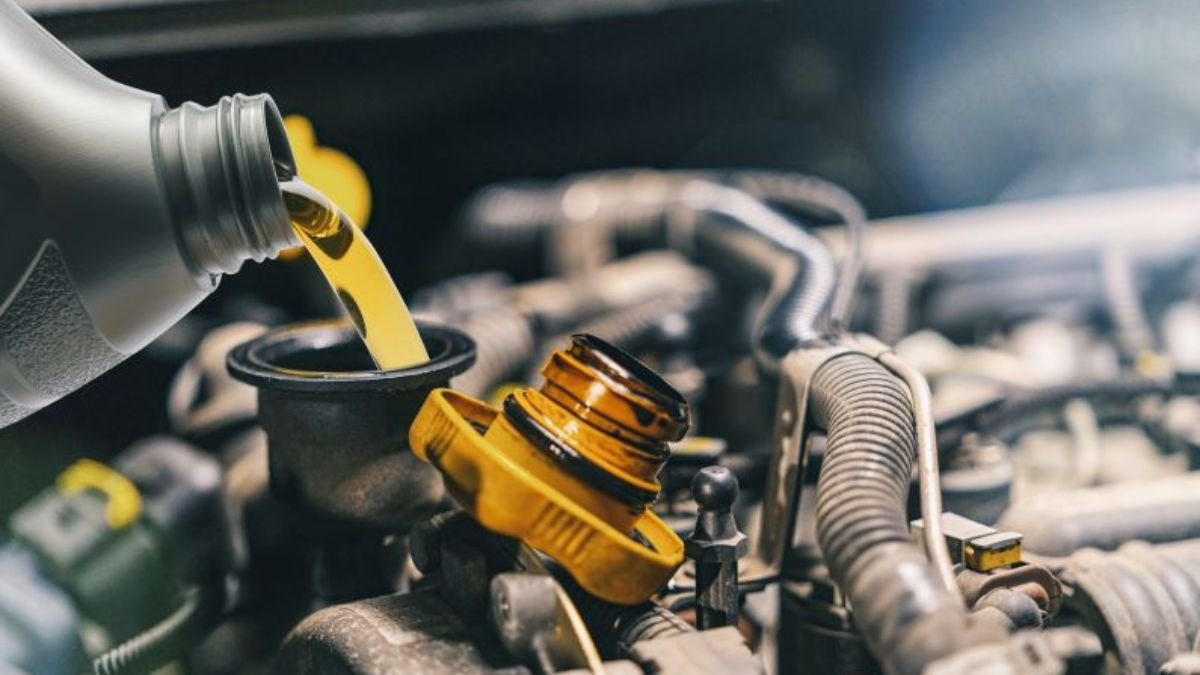
The first and most critical component of a tune-up is changing the engine oil and oil filter Engine oil lubricates the internal components of the engine and minimizes friction. Old or low oil levels can cause significant damage to the engine. The oil filter, meanwhile, prevents dirt and debris from entering the engine. Therefore, replacing the oil and filter is vital for ensuring the engine’s longevity.
Inspecting Spark Plugs and the Ignition System
Spark plugs play a crucial role in starting the engine and ensuring the fuel burns efficiently. During a tune-up, the spark plugs are inspected and replaced if necessary.It is essential for the ignition system to function correctly to ensure the engine runs smoothly and maintains optimal fuel efficiency. Faulty spark plugs or a malfunctioning ignition system can cause the engine to misfire or result in a noticeable drop in power.
Cleaning Air and Fuel Filters
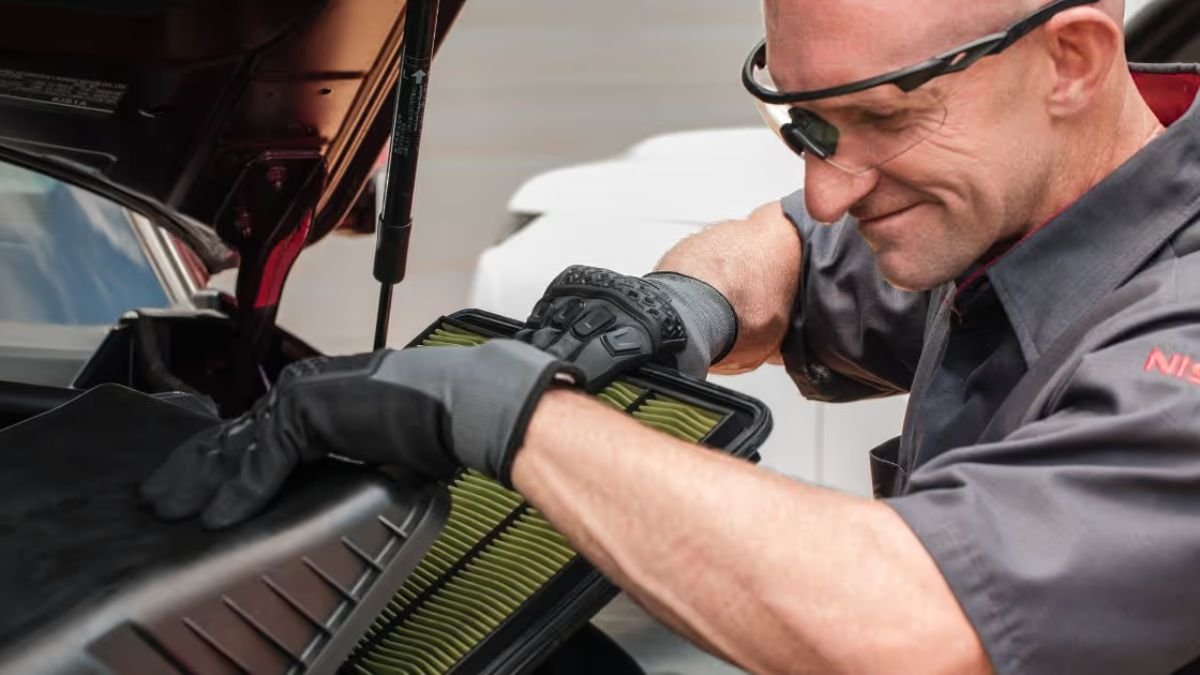
Both the air filter and the fuel filter play significant roles in overall engine performance. The air filter supplies clean air to the engine, while the fuel filter prevents contaminants from reaching the engine.
These filters are inspected during a tune-up. If they are found to be dirty, they are replaced to ensure the engine runs smoothly and to maintain optimal fuel efficiency.
Inspecting the Battery and Electrical System
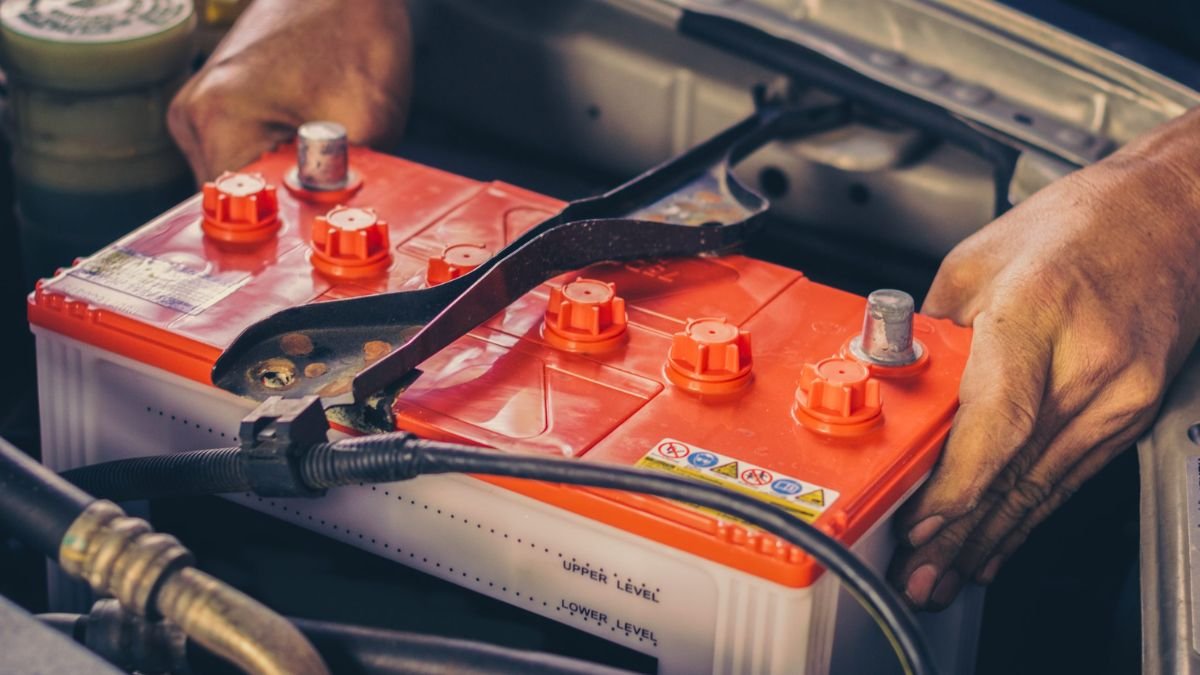
A tune-up also includes an inspection of the battery and the vehicle’s electrical system. The condition of the battery and its charging capacity are thoroughly checked.Lights, turn indicators, and windshield wipers are also tested during this process. This ensures that no issues arise during long drives or while driving at night.
Brake System Testing
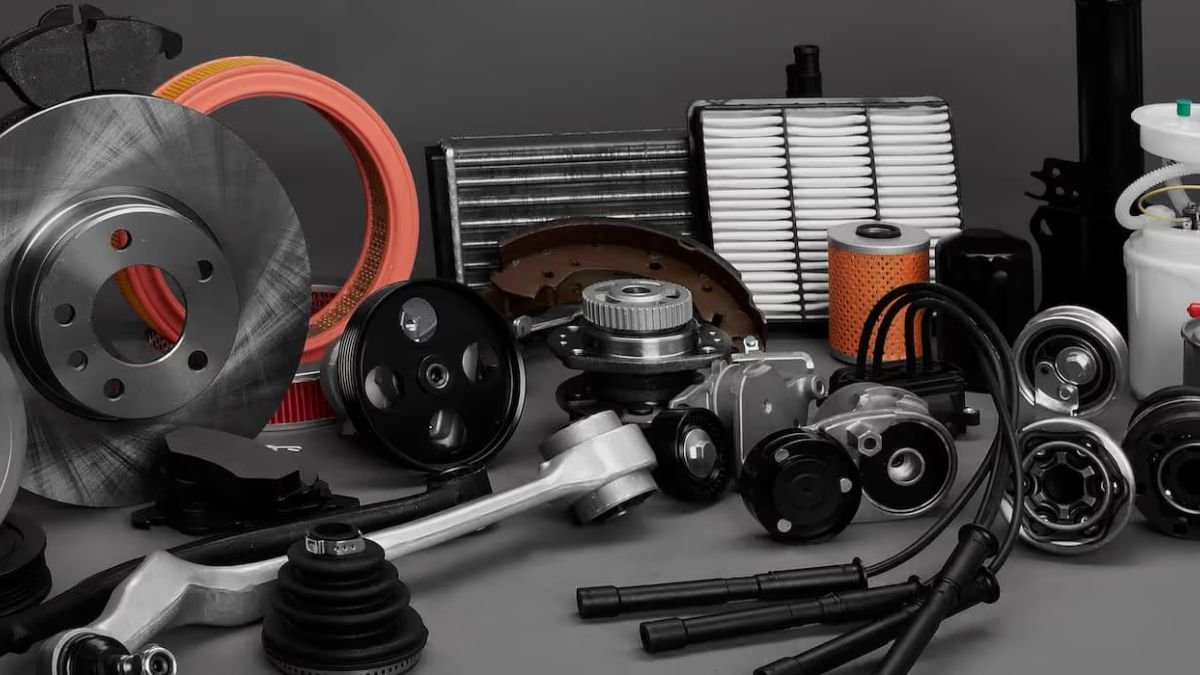
Checking the brakes is also an integral part of a tune-up. The condition of the brake pads, discs, and brake fluid is inspected If any issues are detected, the components are repaired or replaced. This is crucial for driving safety and optimal braking performance.
Tires and Wheel Alignment
During a tune-up, the tires are inspected—specifically for pressure, wear, and age. Additionally, wheel alignment and balancing are checked.Proper tires and wheel alignment result in a smoother drive and improved fuel efficiency.
Inspection of Coolant and Other Fluids
Checking the engine coolant, power steering fluid, brake fluid, and windshield washer fluid is also included in a tune-up All fluid levels must be at the correct mark. This prevents engine overheating and helps maintain the car’s overall performance.
Inspection of Belts and Hoses
Inspecting the engine belts and hoses is an essential part of a tune-up. These components can deteriorate over time.If they snap or become worn out, the engine or other vehicle systems could suffer damage. During a tune-up, these parts are inspected and replaced if necessary.
Exhaust System Inspection
The exhaust system is inspected during a tune-up. It plays a key role in regulating engine efficiency, fuel economy, and carbon emissions If any leaks or damage are found, the system is repaired or replaced. This is vital for both environmental protection and driving safety.
Road Test and Final Inspection
The final stage of a tune-up is the road test. The car is driven to verify that the engine, brakes, gears, and other systems are functioning correctly This ensures that the car is safe, drives smoothly, and is fully prepared for long-distance travel.
Conclusion: Regular Tune-Ups Keep Your Nissan Safe and Running Smoothly for the Long Haul
A Nissan tune-up is not merely an engine inspection; it constitutes a comprehensive check and maintenance of all your vehicle’s critical systems Timely tune-ups help maintain vehicle performance, improve fuel efficiency, and prevent costly repairs. Furthermore, they ensure the safety of both you and your passengers Nissan owners should always utilize OEM parts and authorized service centers to preserve their vehicle’s performance and reliability.








Leave a Reply