
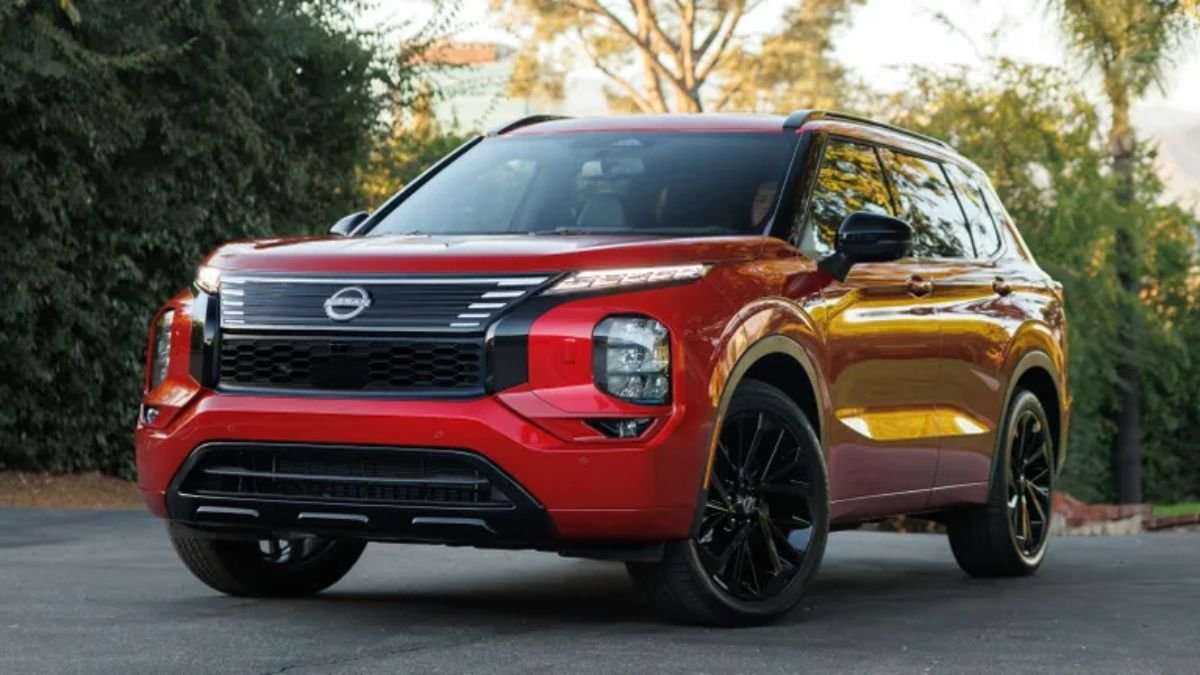
Both the 2012 Nissan Rogue S AWD and the 2012 Nissan Rogue S FWD are S-trim variants of Nissan’s popular Rogue SUV series. At the time of their release, these models were highly regarded within the mid-size SUV segment. The primary objective of both variants is to provide a comfortable and reliable family vehicle; however, there are significant differences between the AWD (all-wheel drive) and FWD (front-wheel drive) systems that directly impact performance and fuel efficiency.
In this article, we will examine in detail the differences between AWD and FWD, determine which variant is best suited for whom, and identify which option better meets your daily driving requirements.
What are AWD and FWD? Explained Simply
First, it is essential to understand the fundamental differences between AWD and FWD.
- FWD (Front-Wheel Drive): In this system, power is transmitted exclusively to the front wheels. This means that the engine’s power is directed solely to the front axle.
- AWD (All-Wheel Drive): In an AWD system, the engine’s power is distributed to all four wheels, resulting in improved traction and control.
Simply put, AWD promises to provide you with greater control on challenging terrain and in adverse weather conditions, whereas FWD is generally better suited for everyday driving and offers superior fuel efficiency.
Engine and Performance: AWD vs. FWD
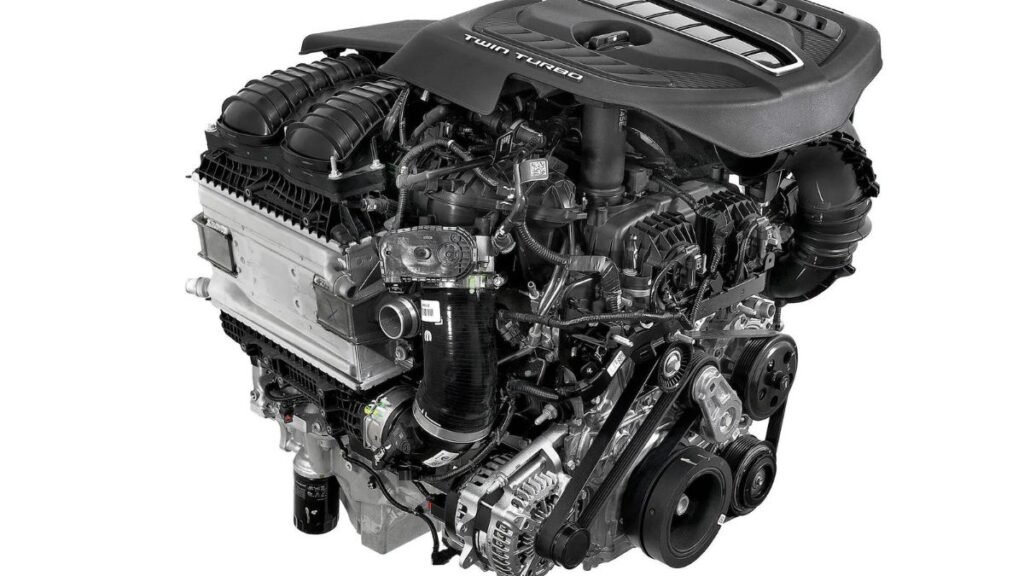
Both variants of the 2012 Nissan Rogue S are equipped with the same 2.5-liter, 4-cylinder engine, producing approximately 170 horsepower and 175 lb-ft of torque. Although the engine output is identical, the driving performance of the AWD and FWD variants feels distinctly different.
The FWD variant feels lighter and more responsive when navigating city traffic. Its lower curb weight contributes to a smoother driving experience, making it the preferred choice for most drivers for their daily commute. On the other hand, in the AWD variant, since power is distributed to all four wheels, traction remains significantly stronger—especially in rain, mud, or slippery conditions. This improves driving control and ensures the vehicle remains more stable in challenging situations.
Mileage Comparison: Which Offers More?
In terms of mileage, the FWD variant holds the advantage. The FWD Nissan Rogue S typically delivers a mileage of approximately 22–24 mpg in the city and 28–30 mpg on the highway. This is considered excellent for both daily commuting and long-distance travel.
Conversely, the AWD variant yields approximately 20–22 mpg in the city and 26–28 mpg on the highway. It offers slightly lower mileage due to the AWD system, as the engine expends more energy to distribute power across all four wheels.
Therefore, if your primary objective is to maximize mileage and save on fuel costs, the FWD model would be the more suitable choice for you.
Handling and Road Grip: The Difference in Driving Experience
The most significant difference between AWD and FWD is evident in their handling and road grip. When the roads are dry and conditions are normal, FWD provides ample control and balance. It is perfectly adequate and reliable for most city driving and highway travel.
However, as soon as weather conditions deteriorate—be it rain, harsh winter weather, or rough terrain—the AWD variant delivers distinct and far more satisfying results. By distributing power across all four wheels, this variant significantly mitigates the risk of slippage and loss of control. Consequently, if you reside in a region where weather conditions are frequently challenging, opting for the AWD model is a prudent choice.
Maintenance and Upkeep Costs
For vehicles used in daily traffic or harsh weather conditions—a key topic discussed in the video—maintenance and upkeep costs constitute a crucial factor to consider. Maintenance for the FWD model is generally slightly less expensive because its transmission and drive systems are simpler compared to those of the AWD model. In the AWD model, maintenance costs can be slightly higher due to the presence of additional components, such as the full-time 4WD system.
This implies that if you intend to own and drive the car for an extended period while keeping expenses under control, the maintenance costs associated with the FWD model are more manageable.
Selling Price and Resale Value
When it comes to purchasing a new or pre-owned Nissan Rogue S, the resale value of both variants plays a significant role.
The FWD model is typically slightly more affordable and entails a lower initial purchase cost, making it a budget-friendly option. While the AWD model may be slightly more expensive, some customers prioritize it for the additional safety and control that AWD provides.
In the resale market, demand for both variants often fluctuates depending on specific circumstances. If you reside in a region where challenging weather conditions are common, the AWD model may command a higher resale value. Conversely, in urban environments and on standard roadways, the demand for the FWD model remains steady and robust.
The Driver’s Verdict: Which is Better?
- Now the question arises based on performance and mileage, which variant is the right fit for you? The answer depends entirely on your specific needs.
- If your usage consists primarily of city driving, daily office commutes, and a preference for better mileage, the FWD model will prove to be the more satisfying choice.
- If you frequently drive in rain, snow, mud, or over rough terrain—or if secure vehicle control is your top priority—the AWD model will prove to be the superior option.
- While the AWD model offers slightly lower mileage, it delivers superior safety, grip, and handling, enabling you to drive with confidence even in challenging conditions.
Conclusion: AWD or FWD—Which is Right for You?
Both the 2012 Nissan Rogue S AWD and FWD are excellent SUVs; however, your ultimate choice will depend on your specific usage patterns and priorities.If you are looking for a vehicle that offers better mileage, lower maintenance costs, and is suited for general daily driving, the FWD model will certainly live up to your expectations.
Conversely, if you require enhanced traction, greater control in adverse weather conditions, and more balanced handling, the AWD model may be the ideal choice for you.Both variants come backed by Nissan’s renowned reliability, and—provided you make the right decision—this SUV promises to deliver a dependable driving experience for many years to come.
FAQs
Q1. Does AWD improve performance in all weather conditions?
A. Yes — AWD provides better traction and stability, especially in rain, snow, and light off‑road situations.
Q2. Which drivetrain gets better fuel economy?
A. Generally, the FWD version delivers slightly better mileage than AWD due to lower drivetrain losses.
Q3. Is there a big price difference between AWD and FWD?
A. AWD models often cost more upfront and may have slightly higher maintenance costs over time.








Leave a Reply